Types of wellness retreat, and how to tell them apart
By Claire
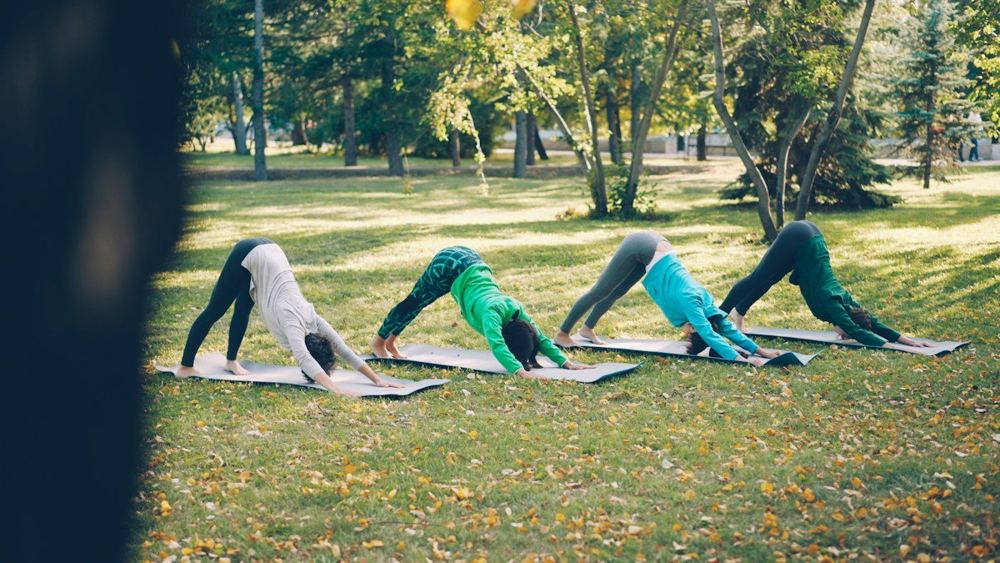
"Wellness retreat" covers almost anything with a pool and a yoga mat. Two brochures can use the same words for weeks that feel completely different: one has you up at six for a hill run, the other expects you to read in a hammock until lunch. Knowing which family a retreat belongs to is the quickest way to avoid booking the wrong one.
Yoga retreats
The yoga week is the most common format. Expect two sessions a day, usually a longer, more dynamic class in the morning and a slower one before dinner. The afternoon is free. Groups range from eight to twenty-five people, and the teacher sets the tone far more than the venue does.
Ask which style is taught. Vinyasa and Ashtanga are physical and sweaty; Hatha is steadier; Yin and restorative classes are mostly long, supported holds. If you have never done yoga, a mixed-level week with a teacher who adapts poses is a much better start than a "deepen your practice" retreat.
Fitness and bootcamp retreats
Fitness retreats are built around volume: circuits, beach workouts, hikes, sometimes boxing or spin, often four or five sessions a day. They suit people who like a full timetable and do not mind being tired by Wednesday. Good ones build the week gradually and include proper stretching and a lighter day in the middle. Weaker ones simply stack hard sessions, which is how people end up with sore knees and a sulky Thursday.
Check the ratio of coaches to guests. One coach for more than twelve people makes it hard to correct technique, which matters more than any amount of motivation.
Walking and hiking breaks
Walking holidays are the easiest to underestimate. Five or six hours on a mountain path, day after day, is real exercise, but the pace is conversational and the scenery does most of the work. They are a good choice for couples with different fitness levels and for anyone who finds gym-style classes dull. Austria, Crete and the Algarve all have excellent marked trails; read our destination notes for the seasons that work best.
"Detox" retreats
This is the word to read most carefully. On some programmes it simply means no alcohol, plenty of vegetables and early nights, which most people enjoy. On others it means juice-only days or long fasts. Your liver and kidneys already do the actual detoxing; a week of good food, sleep and walking is pleasant and sensible, but no menu "cleanses" anything. If a retreat promises to flush toxins or cure a condition, treat the rest of its claims with the same caution.
If you have a medical condition, take regular medication or are pregnant, speak to your doctor before any programme that restricts food.
Rest and spa retreats
Sometimes the most useful week is the one where very little happens: a massage, a swim, a short walk, a long dinner. Rest retreats are less fashionable on social media but they suit people coming out of a busy period. The best ones still offer gentle movement each morning, because a little activity tends to improve sleep.
How to choose between them
Ask yourself three questions:
- How do you want to feel on the last day? Pleasantly tired, rested, or proud of having pushed hard?
- How much structure do you like? Some people relax only when every hour is planned; others need empty afternoons.
- Who are you travelling with? A fitness week can be miserable for a partner who wanted a beach book.
Then read the sample timetable, not the photos. We describe a typical retreat day hour by hour if you want a benchmark, and compare the two most popular formats in yoga retreat or fitness retreat.
A note on prices
A week in Southern Europe usually costs between £900 and £2,000 per person sharing, flights excluded. The difference is mostly accommodation and group size, not the quality of teaching. Cheaper is not worse: some of the warmest, best-run weeks happen in small family hotels with twelve guests.