A typical day on a wellness retreat
By Claire
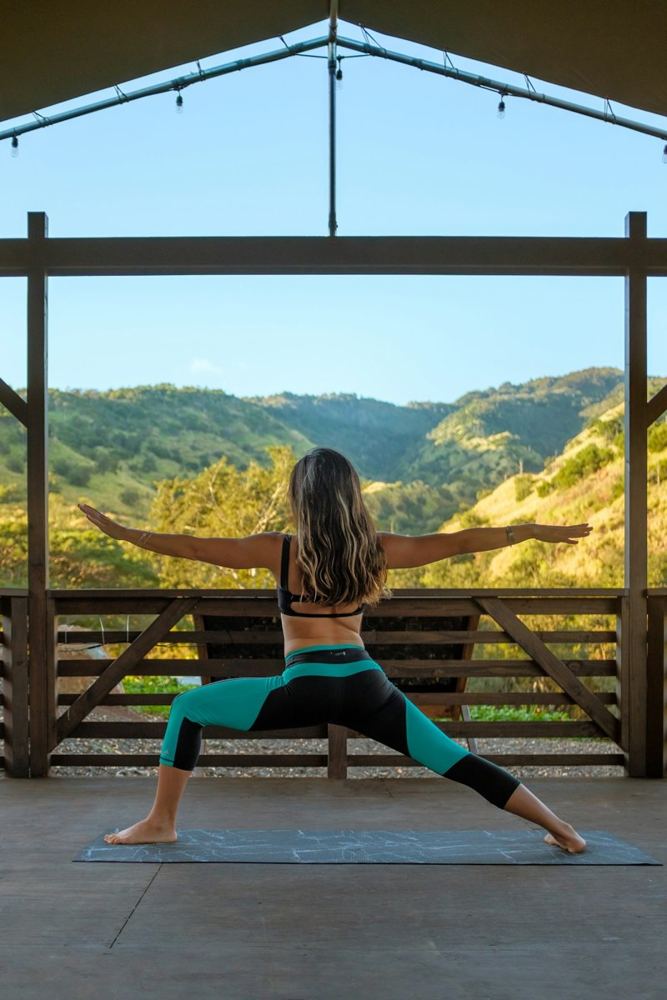
Brochures show sunsets. What you actually live, five or six times in a week, is a timetable. Here is the shape most well-run active retreats follow, with notes on what tends to work and what tends to go wrong.
7:00 – Wake-up stretch or easy walk
The first session is short and gentle on purpose: twenty to forty minutes of mobility work, breathing or a walk along the shore. Its job is to wake the body before breakfast, not to train it. If a programme schedules a hard workout before anyone has eaten, ask why.
8:00 – Breakfast
Expect fruit, eggs, yoghurt, bread, oats, sometimes something hot. A good kitchen gives you enough to last a morning of activity. If you are not used to exercising twice a day, eat more than you think you need; we explain why in our note on recovery.
9:30 – Main session
This is the longest block of the day: a 90-minute yoga class, a circuit, or the start of a hike that might last until early afternoon. Most of the week's real effort happens here. Drink water before you feel thirsty, especially in Crete or the Algarve from June onwards.
12:30 – Lunch and free time
Lunch is usually the lightest meal. The afternoon is free on nearly every programme worth booking. People swim, sleep, read, book a massage or walk into the village. Use it. The guests who feel worst on day four are almost always the ones who filled every free hour with extra exercise.
16:30 – Second session
A shorter class: stretching, a slower yoga practice, technique work, sometimes a talk about food or sleep. On walking holidays this is when you arrive, shower and put your feet up.
19:00 – Dinner
Dinner is the social centre of the week. Most retreats serve it at long shared tables, and it is where friendships form. Alcohol policies vary a lot: some are dry, some offer a glass of local wine, some leave it to you. Check before you go if it matters to you.
21:00 – Wind-down
Evening programmes are optional: a short meditation, a stargazing walk, sometimes nothing at all. Most people are in bed by ten, and many report sleeping better than they have in months. That is less about magic than about daylight, movement and no laptop.
How the week is shaped
Good programmes are not seven identical days. They usually build up from day one to day three, include a lighter day mid-week (a boat trip, a long lunch, an easy walk) and finish with a session that feels like a celebration rather than a test. If the sample timetable shows the same hard schedule every day, expect fatigue to set in around Thursday.
What to check before you book
- How many guided hours per day? Four is plenty for most people.
- Is the afternoon genuinely free?
- Is there a lighter day in the middle?
- Can you skip a session without awkwardness?
If you are still deciding which format suits you, start with our overview of the different types of retreat.